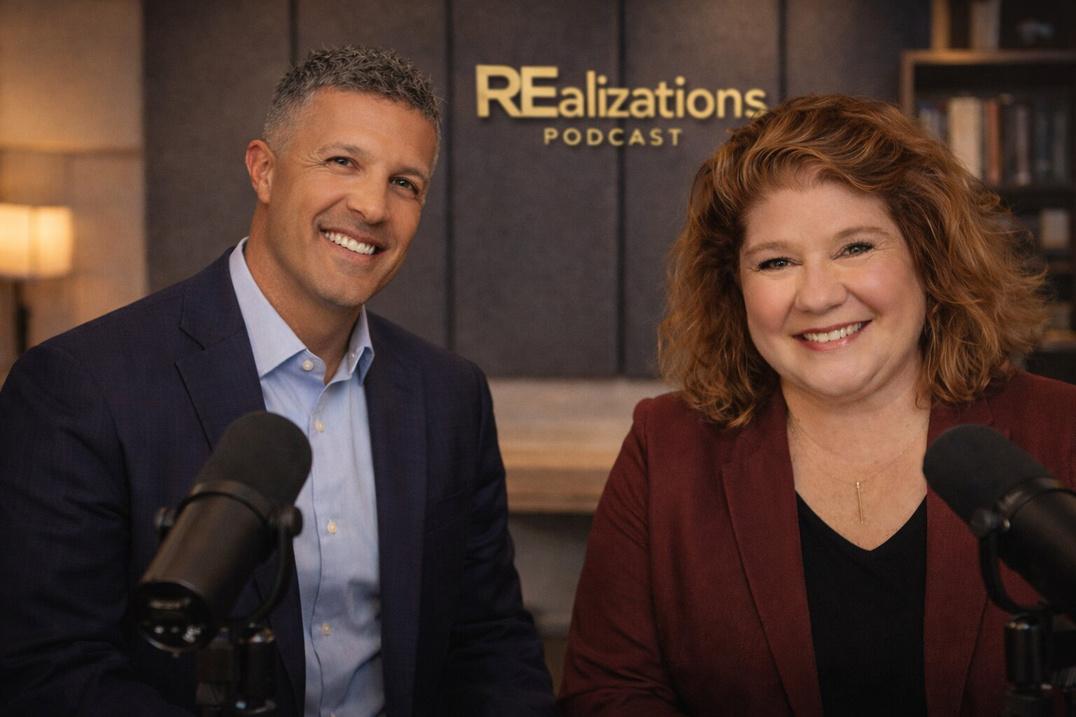
What does real leadership look like in today's real estate market? My conversation with Ray Marquez of eXp Realty on the REalizations Podcast revealed some surprising answers. He joined a tiny startup brokerage back in 2013. Everyone thought he was crazy. That startup was eXp Realty.
Today, we are seeing massive mergers reshape the industry. Ray and I dug into all of it. The coaching. The risks. The cloud based brokerage model. And what agents need to do right now to stay ahead.
My Conversation with Ray Marquez: Leadership in a Changing Industry
Ray Marquez didn't stumble into leadership. He ran for student council in fifth grade. He won. Then again in sixth grade. That drive never left him. Today, after decades in the business, he has developed a real estate leadership mindset that prioritizes integrity over ego.
He believes integrity comes first. Always. But here is what surprised me. Before you can lead, you have to follow. Follow the right people. Follow the right coaching. Follow the right habits.
"Before you can lead, you have to be a follower. Not of just anyone. You have to follow the right people. The ones who have already done what you want to do. You have to follow the right coaching, even when it's uncomfortable. And you have to follow the right habits, day after day, even when no one is watching. Most agents want to be the leader before they have ever truly been a student. That is backwards. Learn first. Then lead."–
I have seen this play out in my own career at Compass. The agents who last are the ones who stay curious. They ask hard questions. They adapt. According to research from the National Association of Realtors, the average agent completes just two to four transactions per year. That stat alone tells you most agents are stuck.
Ray joined eXp when it was a tiny startup with 20 agents in California. That took guts. But he asked himself a simple question. What is the worst that could happen? That mindset separates those who grow from those who stay stuck.
You can connect with Ray on LinkedIn or follow him on Facebook to learn more about his approach.
For agents looking to build a lasting career, understanding different brokerage models is essential reading.
What Defines True Leadership in Real Estate
Ray is clear about this. Leadership starts with integrity. Without it, nothing else matters. But integrity alone is not enough. You have to commit to learning every single day.
He just returned from a coaching event in Southern California. He studies with Mike Ferry. I work with Tom Ferry. Top performers in any field share one thing. They all have coaches.
Look at elite athletes. Every single one has a coach. They pay someone to spot their blind spots. Real estate is the only industry where people fight that idea. The average agent today does maybe two to four deals a year. That is not a production problem. That is a mindset problem.
Ray puts it simply. Investing in yourself is non-negotiable. You cannot lead others if you refuse to be led yourself.
For more insights on building a resilient real estate career in the Bay Area, check out my other resources.
Why Coaching Is the Common Denominator of Top Performers
I see this all the time. Agents who hit a ceiling refuse to ask for help. They think coaching is an expense. Top producers know it is an investment.
Ray made a point that stuck with me. At every high-level coaching conference, the room is full of agents doing massive volume. They are not there because they are failing. They are there because they want to get better.
-
Top producers invest in coaching
-
Average agents avoid accountability
-
Learning compounds over time
-
Coaching exposes blind spots
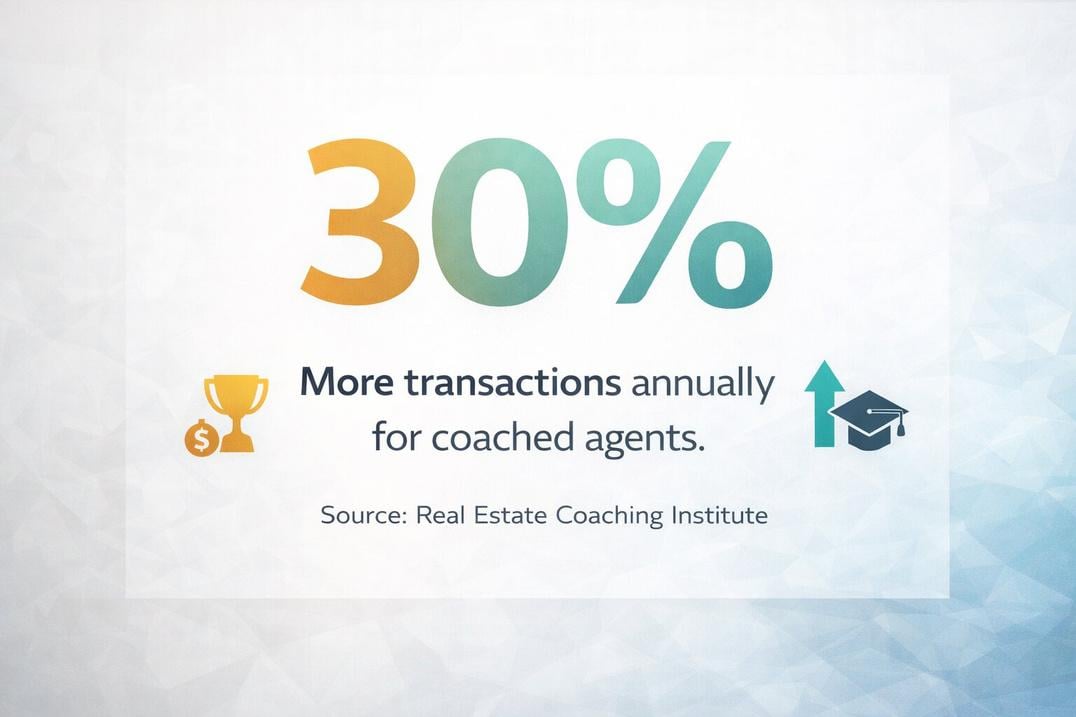
A research study on real estate training effectiveness found that mentorship alone can boost an agent's first-year closings by 25 percent, while structured training programs can improve retention by 20 percent. The numbers do not lie.
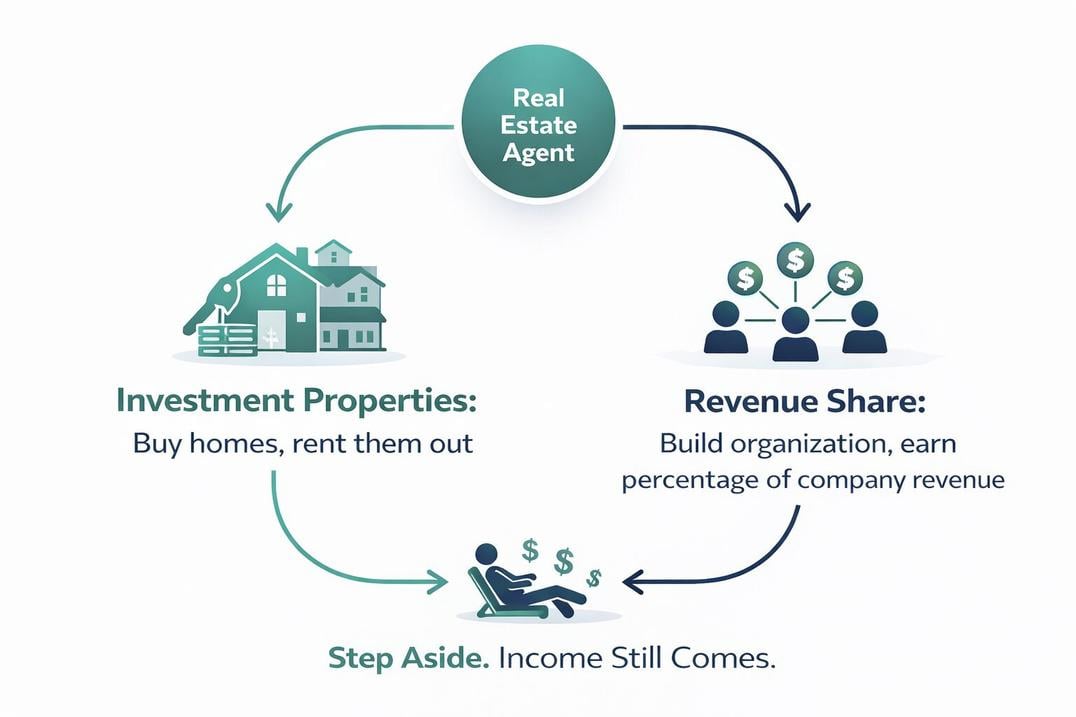
"How do I create something where I can step aside and income still comes in from the work I have already done? That is the question every agent should be asking themselves. Not how do I close more deals this month. Not how do I work more weekends. But how do I build a business that pays me when I am not the one doing all the work? That could be revenue share. That could be rental properties. That could be a team you have trained to operate without you."–
That is the goal. Not just more transactions. More leverage. More freedom. Coaching gets you there faster.
The Risk That Changed Everything: Joining eXp Early
In 2013, Ray took a chance. He left an established brick-and-mortar brokerage in Danville to join a cloud-based startup called eXp Realty. Most people thought he was crazy.
But Ray has always had an entrepreneurial mindset. He asked himself one question. What is the worst that could happen? If it fails, he goes back to where he started. If it works, he builds something bigger than himself.
That risk paid off. Today, eXp has nearly 100,000 agents globally. And Ray has been there through all of it. He stepped back from the main managing broker role to focus on what he loves. Working with clients. But his early leadership helped shape how the company grew in California.
For agents wondering whether to make a jump, Ray's story is a reminder. The biggest risk is often staying still.
Understanding the eXp Realty Model
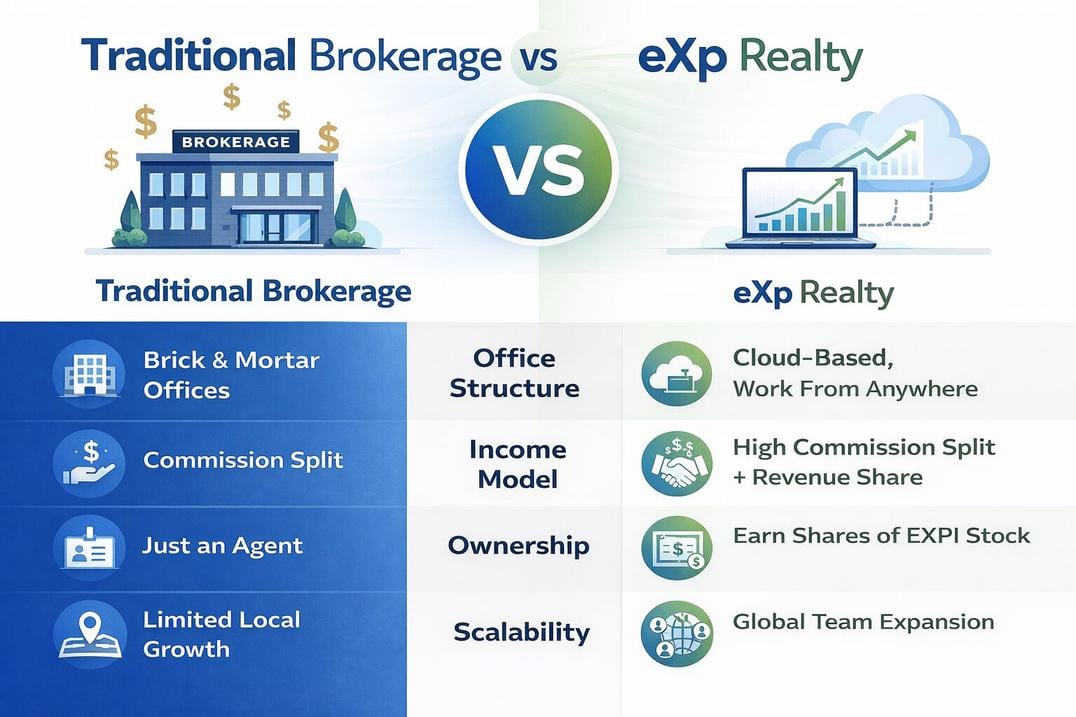
So how is eXp different? The short answer is everything. Ray explained it clearly. Keller Williams built a profit-sharing model. That means you only get paid if your market center is profitable. eXp flipped the script.
Glenn Sanford, the founder, came from Keller Williams. He saw the flaw. Profit sharing is unpredictable. So he built a revenue share model instead. When eXp revenue share is explained simply, it means agents earn a percentage of a company's revenue based on attraction and production. It is a true disbursement of real numbers.
Here is how the models compare:
|
Model Feature |
Traditional Brokerage |
eXp Realty |
|
Office Structure |
Brick & mortar |
Cloud-based |
|
Income Model |
Commission split |
Commission + revenue share |
|
Ownership |
Private |
Public (agent ownership) |
|
Scalability |
Limited |
Global |
On top of that, eXp is publicly traded. Agents can own stock in their own brokerage. That changes the game completely. You are not just an independent contractor. You are a shareholder.
Compass Mergers and What They Mean for Agents
I had to ask Ray about the elephant in the room. Compass has been merging with major brands like Coldwell Banker and Corcoran. What does that actually mean for agents?
Ray was diplomatic, but honest. Nobody knows exactly how this will play out. If mergers help agents serve clients better, that is a good thing. But he also acknowledged the cultural gap. A Coldwell Banker agent is different from a Compass agent. Forcing them together is not simple.
I have seen this firsthand. Compass has a fantastic culture. I love it. But agents at legacy brands may not feel the same way. Robert Reffkin has said he wants each brand to keep its identity. That sounds good in theory. In practice, consolidation creates tension.
Ray's take? Watch the stock price. There is always an endgame. Sometimes it is about resources. Sometimes it is about market share. For agents, the question is simple. Does this help you serve your clients? If yes, great. If not, keep your options open.
Cloud-Based Brokerages vs Traditional Models
The pandemic changed everything. When offices shut down, cloud-based brokerages didn't miss a beat. Ray saw this firsthand. eXp picked up market share because agents could work from anywhere.
Traditional brokerages have overhead. Rent, utilities, and front desk staff. Cloud-based models strip that away. The savings go back to agents. But it is not just about cost. It is about flexibility.
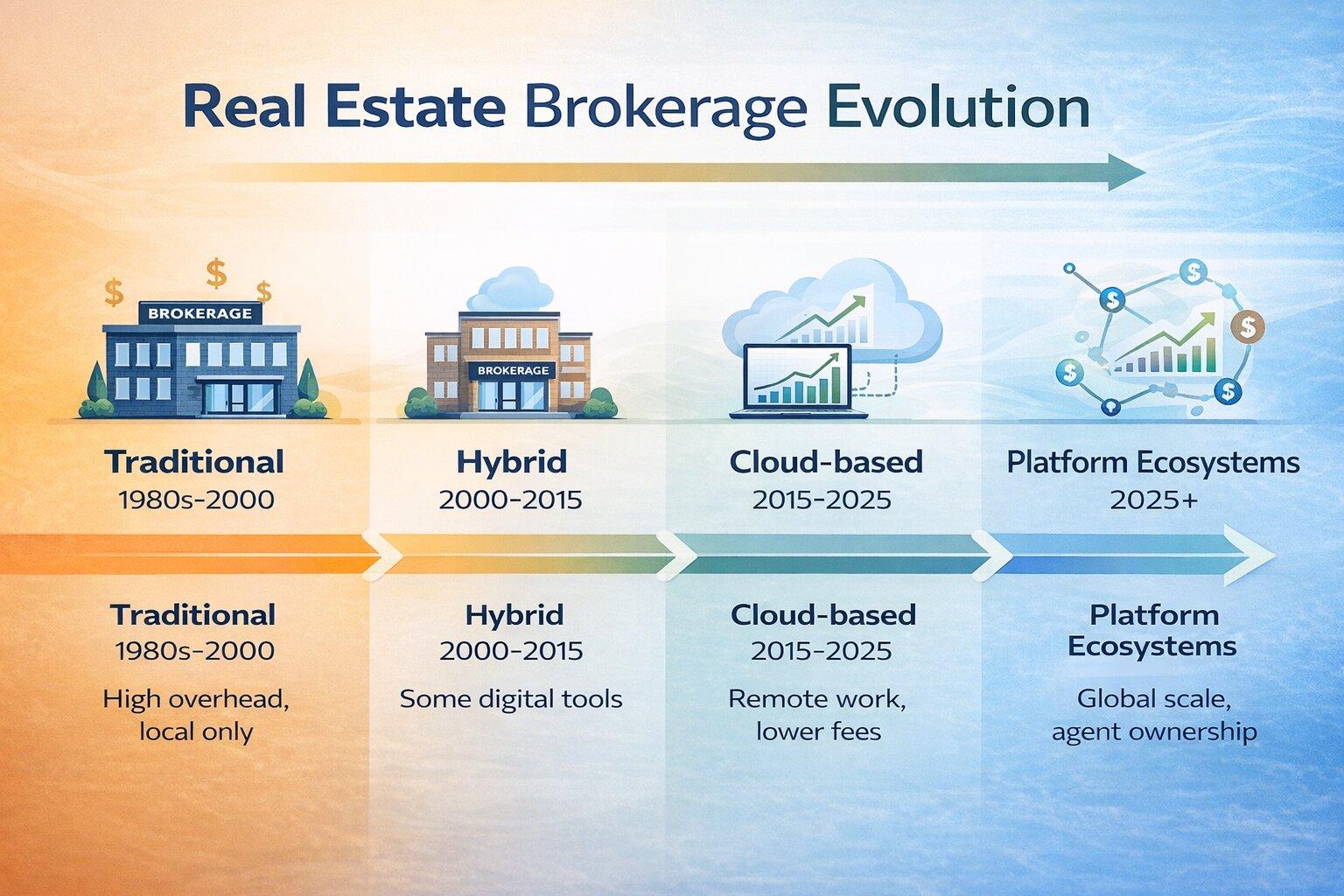
Agents today want mobility. They want to build their business on their own terms. A cloud-based brokerage allows that. Ray still works with clients directly. He has an assistant and a transaction coordinator. But he is not tied to a physical desk.
That freedom is not for everyone. Some agents need structure. But for those who want scale, the cloud is hard to beat.
Building Passive Income as a Real Estate Agent
Here is where Ray got really excited. He is 48. Not retiring anytime soon. But he is thinking about 30 years from now.
Real estate is not a job you retire from. Mike Ferry is 80 years old and still on stage. Not as sharp as the 90s, Ray jokes, but still going. So the question becomes: how do you build something that pays you even when you step back?
For Ray, the answer has two parts. First, be your own best customer. Buy homes. Buy rentals. Build a portfolio. Second, leverage the revenue share model. If you build an organization, the income keeps coming.
That is passive income for agents. It is not magic. It is a strategy. And it is available to anyone willing to think long term.
Why Most Agents Stay Stuck (And How to Break Through)
Ray has seen it a thousand times. Agents refuse to invest in themselves. They fear change. They misunderstand long-term strategy. They ignore real estate coaching success stories and think they can do it alone.
I see the same thing. Agents wait for the market to get easier. They wait for leads to appear. They wait for someone else to solve their problems. That is not a business plan. That is wishful thinking.
The agents who break through do three things differently. They hire a coach. They take calculated risks. They build systems that work without them.
Ray's advice is simple. Fail forward. Get back up. Keep moving. He has had setbacks. Real estate ventures that did not work. But he never stayed down.
"I have had setbacks. Real estate ventures that did not work out. But that is the good news in this industry. You get back up. You get to what you know. The only way you learn is to really fail forward. I am not perfect. Numerous times I have fallen. But it is not the falling down that matters. It is getting back up and moving forward. Most agents stay stuck because they are terrified of falling. But falling is how you learn. Falling is how you grow. Get back up. Keep moving."–
Solo Agent vs Team vs Organization: What's Right for You?
Ray runs a solo operation with support staff. An assistant. A transaction coordinator. That is his sweet spot. He does not want a massive team. But he does not want to do everything alone either.
I have seen agents struggle with this choice. A team gives you leverage. But it also gives you headaches. An organization gives you passive income. But it requires recruiting and training. For passive income real estate agents, building an organization is often the faster path.
Ray's hybrid approach works for him. He sells homes. He works with investors. He stays involved in the market. But he also built a structure, so he is not the only person clients can talk to.
The right answer depends on your personality. But the wrong answer is pretending you can do it all yourself forever. You cannot. No one can.
The Long Game: Real Estate as a Lifetime Career
Ray is 49 this year. He looks young. He acts young. But he is thinking like someone who plans to be in this business for decades.
Resilience is the key. I have been through four economic downturns. Each one taught me something. Ray has been through his share of setbacks too. But real estate rewards the people who stay.
You do not retire from this business. You evolve. You shift from outbound calling to inbound referrals. You shift from active selling to leveraged income. You shift from working in your business to working on your business.
Ray loves eXp because it allows that evolution. He has been there since 2013. The longest he has ever stayed with one company. Not because he is loyal. Because the model works for where he is going.
Key Takeaways for Agents Navigating Today's Market
The market is shifting. Consolidation is accelerating. Technology is changing how buyers and sellers connect. But the fundamentals have not changed.
Here is what I took away from my conversation with Ray.
-
Invest in coaching; it's essential for top performers, while average agents shy away from accountability.
-
Stay adaptable as brokerage models evolve; focus on strategies, not just brands.
-
Aim for long-term wealth by building passive income through real estate and revenue sharing, creating financial security for the future.
And remember what Ray said. Before you can lead, you have to follow. Follow the right people. Follow the right systems. Follow the right habits.
Ray has proven that taking smart risks and investing in yourself pays off over time. That is the lesson I hope every agent takes from this conversation.
Want to hear Ray break down the eXp revenue share explained model and share his take on the Compass real estate merger trend? Listen to our full conversation on the REalizations Podcast.
FAQ Section
1. What is eXp Realty's revenue share model?
It allows agents to earn a percentage of the company's revenue through agent attraction and production. Unlike profit sharing, revenue share is based on actual income, not remaining profits after expenses.
2. Why are brokerages like Compass merging?
To scale resources, increase market share, and potentially create long-term strategic advantages. The full endgame is not always clear, but stock performance and resource alignment are usually factors.
3. Is coaching necessary to succeed in real estate?
Top-performing agents consistently invest in coaching to improve skills and accountability. The National Association of Realtors data shows that average agents do two to four deals per year. Coached agents consistently outperform that average.
Apply as a Guest Speaker
Real estate is evolving. Capital is shifting. Markets are tightening.
If you are actively working in the industry and solving real problems, whether in construction, finance, brokerage, or development, we would love to hear from you.
This podcast is produced by the Icons of Real Estate - #1 Real Estate Podcast Network. For more resources on growing your show or refining your message, explore the podcast framework and read success stories from other industry professionals who have leveraged this platform, or apply to be a guest.